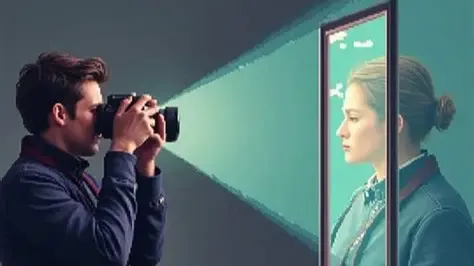
What forty years of photography, cold computer rooms, AI and a weekly photo habit have taught me about digital transformation. The tools matter, but judgement, craft and people create the picture.
There is something wonderfully simple about a brilliant photograph. It can stop me in my tracks and make me notice something I had walked past a hundred times before. The same can be said for an awesome digital experience, when it works it really does make me smile. Someone has worked hard to get the experience right, someone has thought through what the process needs to be for the future, I love that so much.
The camera never is the reason for the image. A great image comes from judgement, timing, practice, curiosity and, perhaps most importantly, seeing what could be there before pressing the shutter. The equipment matters, of course, but owning the most expensive camera has never automatically made anyone the best photographer. I keep coming back to that thought when people talk about digital transformation, particularly now, when AI can make it feel as though the newest tool must always be the answer.
The camera matters, but it is never the reason an image stays with you.
Forty years ago photography felt very different. Film placed a natural discipline around every frame because there were only so many exposures and then came the wait. Had I captured what I thought I had seen? Had somebody blinked? Skill grew through patience and mistakes. The technology was there, but it sat behind the craft rather than shouting from the front. Digital transformation was much the same in the mid-90s. The words were barely used together, let alone found in a job title.
I remember what that ‘digital’ role looked like in the 1990s because I did it regularly. It meant physically visiting a site, being locked in a cold computer room, installing code and adapting it to the specifics of that location. Then came the call back to the office to test what now worked, followed by the inevitable bug busting for what did not. Through rose tinted glasses, it can feel like a golden age of IT, when the professional was close to every detail. In reality, I am thankful that so much of that practice has been replaced. The craft still matters, but thankfully the tools, speed and possibilities have moved on.
The digital camera changed that rhythm. In 1975, Kodak engineer Steven Sasson built a 3.6 kilogram camera that captured a 100 by 100 pixel black and white image and took 23 seconds to record it onto cassette tape. Hardly something to slip into a pocket for a weekend away. But it proved an image did not need film. Important ideas often look awkward at first. Their early value is simply that they let people see a different future.
I can see a version of that story in the journey we are on where I work now. Our digital transformation is not a hunt for a shiny system. It is about shared processes, trusted data and useful tools that help colleagues make better decisions with less friction. Real life is rarely neat. It means sitting with teams, finding where work catches and agreeing what should become simpler. A process problem does not become a technology problem simply because a new product exists.
That is especially clear in conversations about AI and PropTech. In a recent keynote I used the Brooklyn Bridge to describe progress: muscle built the foundations, human brainpower solved remarkable engineering problems and AI now offers another leap. Yet the story was never about machinery alone. It was about judgement, persistence and human connection. As the same models and data become available to many organisations, the difference will be the wisdom we apply. Perhaps advantage will belong not to the business with the biggest digital brain, but to the one that remembers to bring its heart.
AI may give us a bigger digital brain. The difference comes when we remember to bring the heart.
The mobile phone camera took the change much further. Photography became immediate, abundant and social. One forecast suggests that people will take around 1.95 trillion photographs in 2026, about 5.3 billion each day, with smartphones accounting for 94 per cent. The precise figures are estimates, but the scale is extraordinary. Photography is now part of everyday life. Digital capability has followed the same path, and colleagues and customers judge workplace technology against the responsive experiences they use at home. Consumerisation has reset what good feels like.
Yet billions of photographs do not mean billions of good photographs. Immediacy helps us learn, but it can encourage us to capture before we have really looked. Digital transformation carries the same risk. More applications, data and automation can create activity without enough value. Buying the latest platform is no more a strategy than buying the latest camera is a creative vision. The questions must stay practical. What are we improving? Whose day becomes easier? What friction disappears? What will a customer or colleague notice? And how will we know the change has stuck?
That is the heart of the analogy for me. The people matter more than the platform. At my company we frame the work around better decisions, stronger operations, rigorous financial flow and better support for colleagues. These are not technology categories. They are descriptions of a business working better. Tools, data and platforms matter because they make those outcomes possible, not because their arrival deserves a photograph of its own.
This is why the people side of change remains the real work. A photographer learns by experimenting, sharing images and slowly developing an eye. Organisations need the same habits. People need room to practise, permission to ask basic questions and confidence that change is being built with them rather than done to them. Across healthcare, retail, government and now property, I have learnt that engagement cannot be the final line in a delivery plan. It has to be how the plan is made.
There is a reason some photographers are returning to film. It is slower, constrained and occasionally frustrating, but it asks the person behind the lens to be deliberate. That is not a rejection of digital photography. It is a reminder that convenience is not the same as meaning. We see it in people stepping back from social media, buying records or rediscovering notebooks and printed books. Progress only counts if people can live with it, trust it and find themselves inside it. I still use pen and paper every day for memory and to think through an issue. That is not stepping back. It is me being the best I can.
See the picture first. Then decide which camera will help you create it.
That means noticing the light and the people. Practise, share the work and invite challenge. Then choose the tools that help realise the vision. Be present behind the camera, trying to be in the picture not through a selfie, but through imagining how someone else will see it.
Digital transformation should feel much the same. The technology is important, sometimes extraordinary, but the outcome depends on how thoughtfully people use it together.
I would love to hear what you think. Where does this analogy work, and where does it fall apart? Has technology made your organisation better at seeing what matters, or simply faster at taking more pictures? Through 2026 I have made it an ‘obligation’ to capture images of the week: moments at work, street art, gigs, food and the enjoyable side of being away from home. It has been fun creating these images under the moniker #TheWeekThatWas. If you fancy having a look at the amateur photographer let loose during any average week take a look.